Online Scams 2025
The internet brings many opportunities — but also many risks. Online scams have grown more sophisticated, and many people fall victim without even realizing it. Below are some of the most common scams today, along with suggestions on how to avoid them.
Common Online Scams & Threats
Phishing, Smishing and Fake Emails
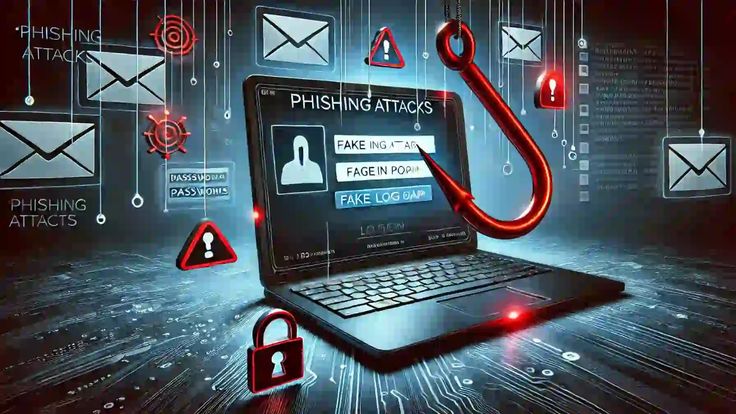
Phishing remains one of the top threats: scammers send emails, SMS or messages that impersonate banks, services, or trusted companies to steal credentials or financial data.
Also SMS‑based phishing (smishing) is on the rise, often disguised as alerts from banks or delivery services.
Fake / Fraudulent Online Stores and E‑commerce Scams
Fake e-commerce sites and fraudulent online shops remain a serious risk. These sites may disappear after payment or never deliver goods.
Especially during high‑demand periods (sales, holidays, promotions), scammers exploit urgency to trick people — a recent investigation found thousands of fake ecommerce domains impersonating major retailers.
Social Media & Marketplace Scams
Social networks and marketplaces are fertile ground for scams: fake sellers, fraudulent offers, “too good to be true” deals, phishing via ads or messages.
Often victims buy a product or pay in advance but goods never arrive, or personal data are stolen.
Fake Job Offers, Investment & Crypto Scams
Scammers increasingly offer fake job opportunities, investment schemes or crypto‑related promises — often guaranteeing high returns.
Many victims are lured via social media, messaging apps or fake “financial gurus.” Once money is sent, contact disappears.
Tech‑Support Scams / Impersonation
Some scams pretend to be tech support or customer support, claiming there is a problem with your device or account then ask for remote access or payment for “fixing” the issue.
Why These Scams Work , Why They’re Growing
- Digital fraud techniques have evolved: fake sites, cloned domains, phishing kits, “social engineering” that exploits trust, urgency or greed.
- People often underestimate the risk or over‑trust messages that seem “official” (bank emails, delivery notifications, social‑media ads).
- The scale of attacks is huge: from phishing to social scams to e‑commerce frauds — the surface of attack is vast, requiring constant vigilance.
How to Protect Yourself: Basic Safety Tips
- Staying safe online is about awareness, caution, and good habits. Here are practical steps to protect yourself from scams, cybercrime, and other digital threats:
- 1. Verify Senders and Links
- Always check the sender’s email address, URLs, and website domains before clicking. If something looks suspicious, don’t click it.
- 2. Use Strong, Unique Passwords
- Create strong passwords for each account and avoid reusing them. Consider using a password manager to keep them secure.
- 3. Enable Two-Factor Authentication (2FA)
- Whenever possible, use 2FA for accounts, especially for email, banking, and social media. It adds an extra layer of protection.
- 4. Check Websites Before Buying
- Research sellers and online stores before making purchases. Look for reviews, contact information, and secure payment methods (e.g., PayPal, credit cards with buyer protection).
- 5. Be Skeptical of “Too Good to Be True” Offers
- If a deal, investment, or prize seems too good to be true, it probably is. Always investigate before sharing money or personal information.
- 6. Avoid Sharing Sensitive Information
- Never share passwords, social security numbers, or financial information via email, messages, or social media.
- 7. Keep Software and Devices Updated
- Regularly update your operating system, browser, and apps. Updates often patch security vulnerabilities that scammers can exploit.
- 8. Use Antivirus and Security Tools
- Install reputable antivirus software, enable firewalls, and use tools to detect phishing and malware threats.
- 9. Be Cautious with Public Wi-Fi
- Avoid performing sensitive activities, like online banking, on public Wi-Fi. Use a VPN if needed.
- 10. Educate Yourself
- Stay informed about the latest scams and cybercrime tactics. Knowledge is your best defense.
The digital world is full of opportunities — but also traps. With awareness, prudence and a bit of skepticism, you can significantly reduce the risk of falling victim to scams. The safest protocol? Think twice before clicking, buying or investing: protect your personal data as if it were gold.